The earliest years of a child’s life shape the foundation for his or her future. For infants and toddlers between six months and three years old, proper nutrition is not only vital for growth but also for building resilience, immunity, and long-term wellbeing.
Feed the Hungry San Miguel’s Early Childhood Nutrition Program is helping to provide that essential foundation. Every bag of food delivered, every workshop and home visit reflects the ongoing commitment to support children during the most critical stage of their development. The past two months have been a period of growth, deeper engagement with families, and greater insight into the realities of early childhood nutrition.
Extending Our Reach Where It Matters Most
The Early Childhood Nutrition Program currently serves 19 rural communities, supporting 203 children and nearly 200 mothers. Communities such as Peña Blanca, Clavellinas, and Alonso Yáñez continue to have the highest number of enrolled families, reflecting both their level of need and the strong participation of caregivers.
During September, the program carried out an extensive cycle of socioeconomic assessments and home visits. These visits evaluated household conditions, food access, overall vulnerability, and maternal wellbeing. This careful accreditation process ensures that families receiving support are those facing the greatest nutritional risk during early childhood.
Two communities, San Isidro de la Cañada and Angostura, were transitioned to the Extended Alimentation Program when the number of eligible infants decreased. This adjustment keeps the Early Childhood Nutrition Program focused squarely on infants and toddlers who require early intervention.
A Clear Picture of Early Childhood Nutrition
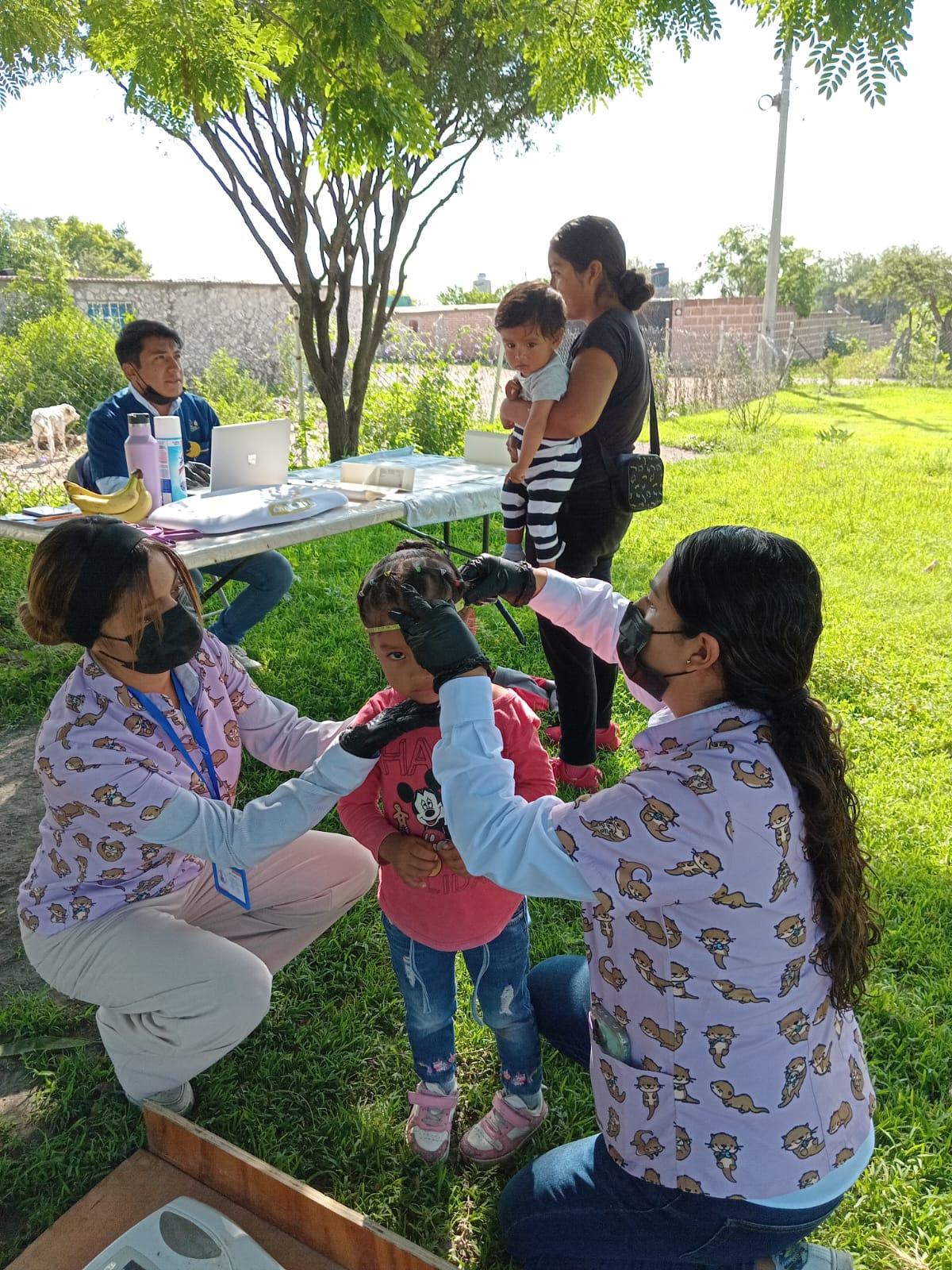
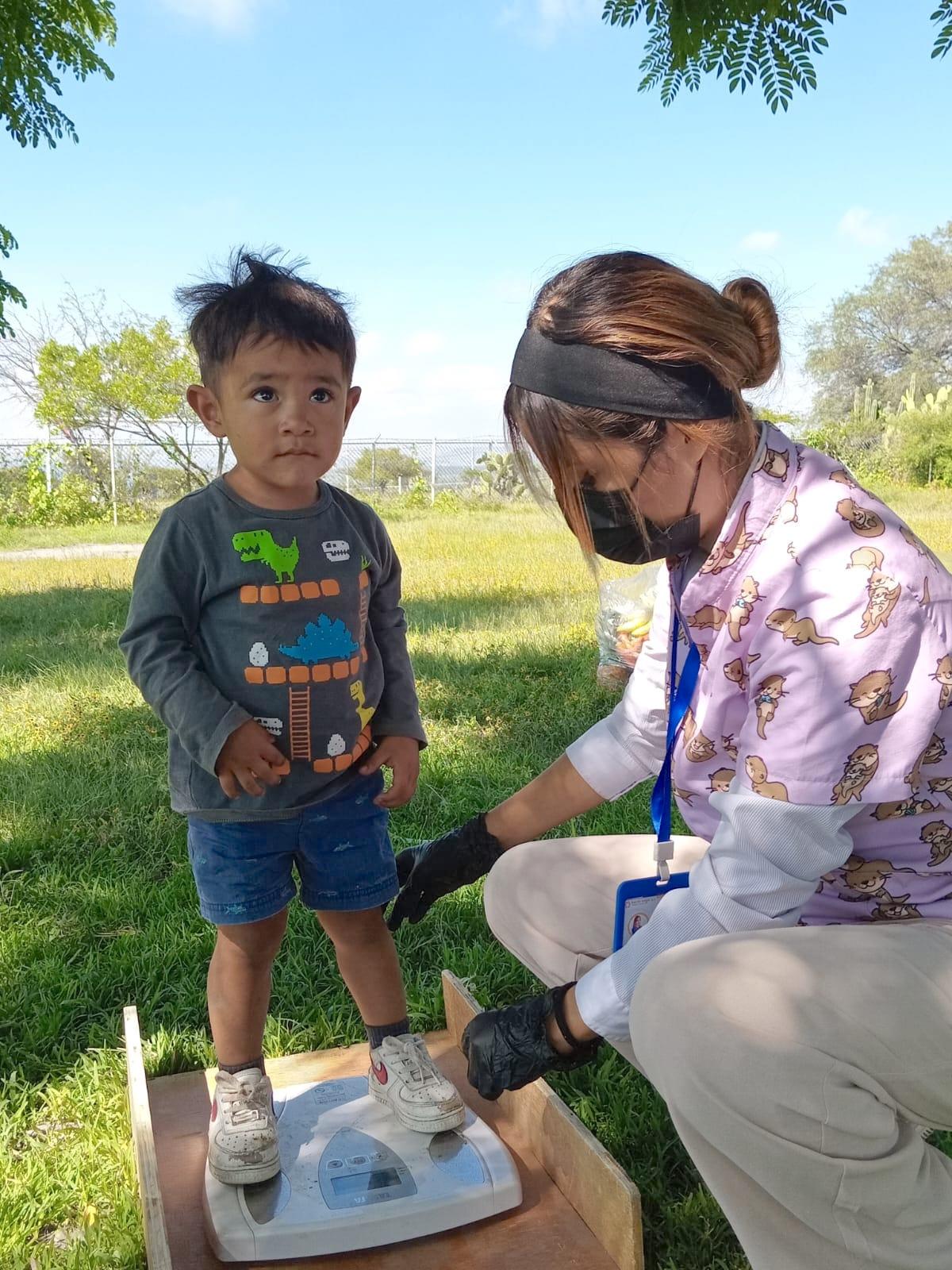
In September and October, we conducted the biannual round of anthropometric measurements of the children in the program. These detailed evaluations assess weight, height, mid-upper arm circumference, head circumference, triceps skinfold thickness, and visible clinical signs of nutritional deficiencies.
The results offer a realistic and honest look into the nutritional status of the youngest children in our rural communities.
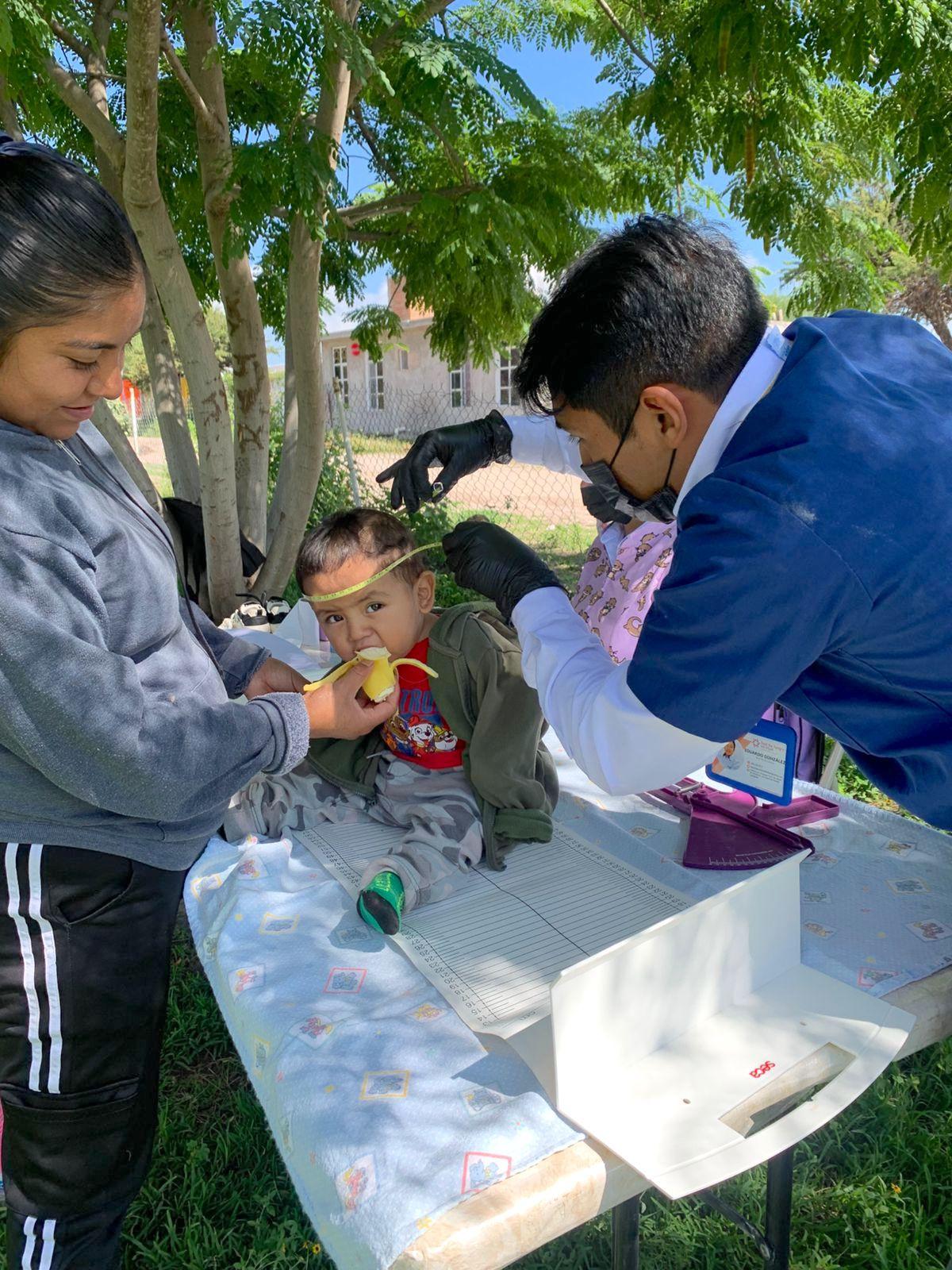
Findings from 194 children measured:
- 42% percent of children are currently within normal nutritional ranges
- 14% percent show mild malnutrition
- 19% percent show moderate malnutrition
- 10% percent show severe malnutrition
- 10% percent are at risk of malnutrition
- A small percentage shows early signs of overnutrition
These findings reveal that more than half of the children in the program are either malnourished or vulnerable to malnutrition. Nutritionists also documented common indicators such as thinning or dry hair, leukonychia (white patches or discoloration on the nails), cracked skin, poor oral hygiene, and frequent respiratory or gastrointestinal illness. These signs underscore the complex challenges many families face.
Every case of moderate and severe malnutrition now has a personalized follow up plan with close monitoring and guidance for caregivers.
Nutritious Food Bags Designed for Impact
Each month, families receive a thoughtfully assembled Early Childhood Food Bag that stays within a maximum cost of 250 pesos while maintaining high nutritional value. The food bags are tailored to include appropriate amounts of protein, fiber, vitamins, and minerals and they also take seasonal availability into account.
A typical food bag includes grains such as rice, pasta, and puffed wheat; legumes including black beans and lentils; milk as a source of animal-based protein; and fresh fruits and vegetables such as bananas, melon, carrots, cucumbers, squash, and chayote.
The program delivered 336 food bags in September and 434 food bags in October. The rise reflects both growth in program enrollment and increased household needs. Beginning in October, the nutrition team began preparing all food bags at the Feed the Hungry distribution center to improve quality control and coordination with the Operations team, and support production levels that range from 400 to 950 bags each month, depending on the delivery schedule.
Workshops that Empower Mothers and Strengthen Families
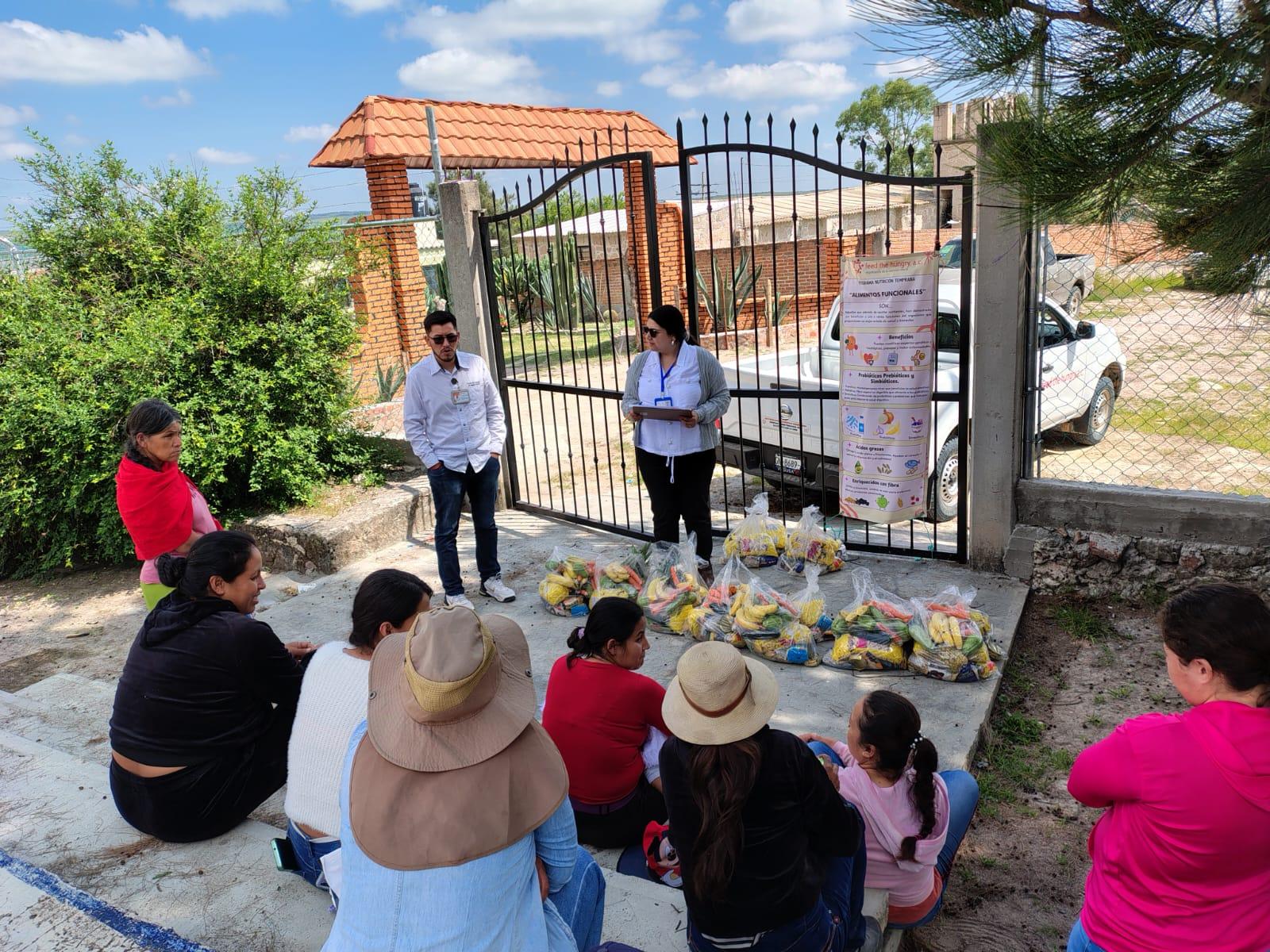
Education is a core component of the Early Childhood Nutrition Program. During the months of September and October, the team facilitated more than 20 workshops and interactive activities for mothers and caregivers. These workshops are designed to be engaging, accessible, and practical so that participants leave with skills they can immediately apply at home.
Topics included vitamins and micronutrients, hydration practices using the Good Drinking Pitcher model, correct diet composition, functional foods, fiber and digestion, nutrition during pregnancy, breastfeeding, food allergies, and prevention of malnutrition. Many workshops encouraged hands-on learning through cooking demonstrations, interactive games, theater-based depictions, and collaborative learning circles.
Communities such as Clavellinas, Campana, Nuevo Pantoja, and San Francisco demonstrated particularly strong participation and enthusiasm. These moments of learning strengthen families and create positive habits that outlast any single food delivery.
Professionalism and Compassion Behind Every Visit
We continue to strengthen and evolve the operational processes of the Early Childhood Nutrition Program. Nutritionists and interns are now fully trained to certify socioeconomic studies and complete anthropometric measurements with accuracy and care. Preparation of the food bags within our facilities has improved efficiency and coordination. Home visits and community follow-ups are reinforcing trust and long-term engagement with families.
This combination of professional expertise and compassionate outreach is what makes the program truly transformative for rural communities.
Looking Ahead with Purpose
In the coming months, the Early Childhood Nutrition Program will focus on individualized follow ups for all moderate and severe malnutrition cases, along with expanded workshops on malnutrition prevention and hygiene habits. The team will continue to assess caregiver learning and administer a second round of anthropometric measurements within six months to monitor progress and update intervention plans.
This work is grounded in a simple belief. Investing in early childhood is one of the most powerful ways to promote health, prevent malnutrition, and strengthen the future of every community we serve.
Together, We Are Nourishing Futures
The Early Childhood Nutrition Program is possible thanks to the generosity of donors, partners, and volunteers. Your support ensures that infants and toddlers in rural San Miguel begin life with nourishment, dignity, and the promise of a healthier tomorrow.
Thank you for being part of this mission and for helping us uplift our communities one food bag, one workshop, and one family at a time.


 EN
EN  ES
ES