
Small Changes, Big Impact
At Feed the Hungry San Miguel, our mission is clear: to ensure that children in our communities receive the nutritious meals they need to grow, learn, and thrive. Every school day, thousands of meals are prepared in our school kitchens across rural communities. But feeding children responsibly also means caring for the world they will inherit.
That is why sustainability is an important part of how we operate. While our primary goal will always be nourishing children, we always look for practical ways to reduce waste, protect the environment, and operate more efficiently. Recently, we took another step in that direction.
A Pilot Program to Reduce Plastic
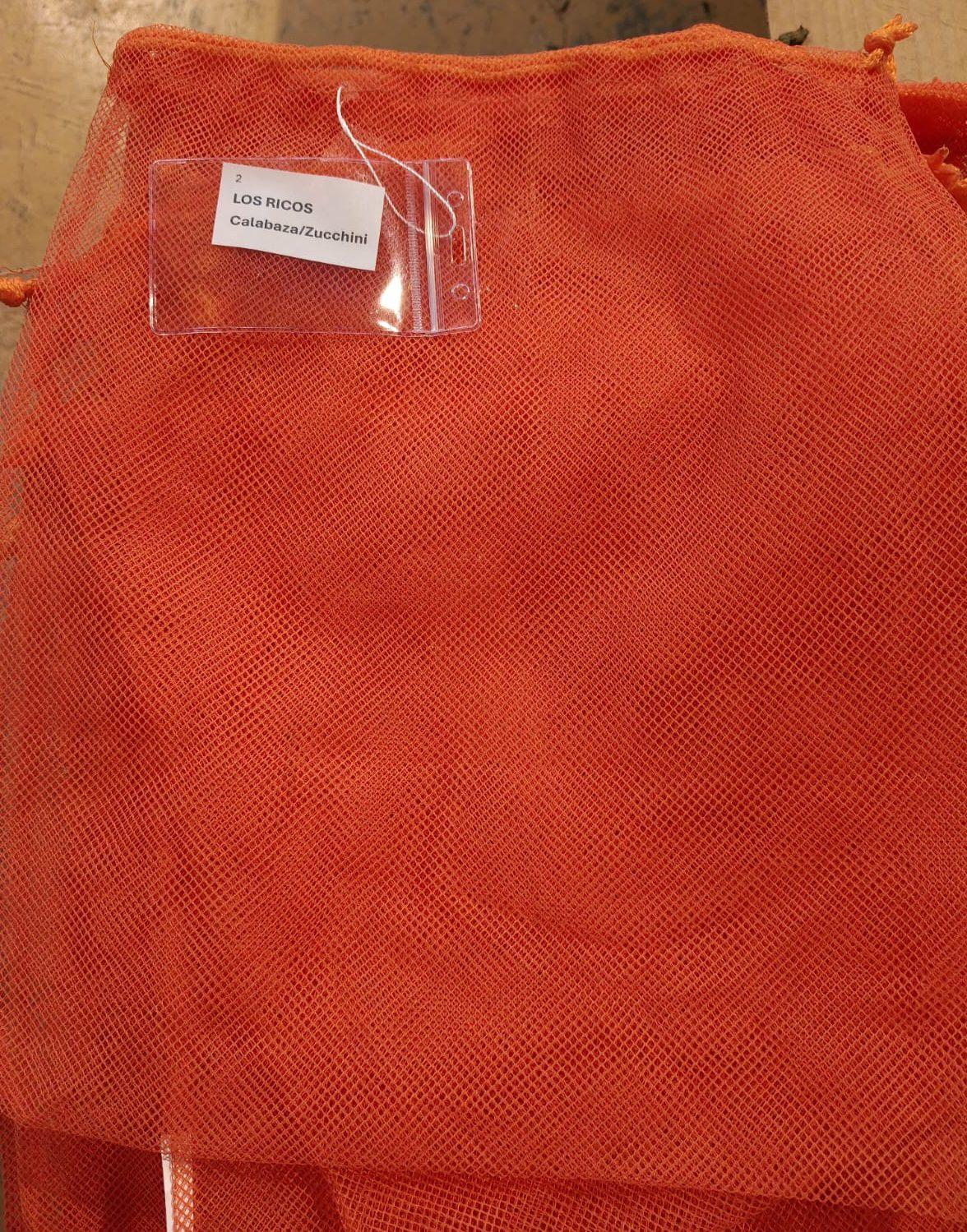
This month we launched a pilot program in two communities to replace the plastic packaging used in food handling with reusable mesh bags.
In our kitchens, large quantities of ingredients such as produce, grains, and other supplies must be transported, sorted, and prepared every week. Traditionally, some of this process relied on disposable plastic bags. While convenient, single-use plastic creates unnecessary waste.
Reusable mesh bags offer a simple but meaningful solution.
These durable bags allow our teams to transport and handle food safely while significantly reducing plastic consumption. They can be washed, reused many times, and easily stored between deliveries. Small operational changes like this may seem modest at first glance, yet when multiplied across dozens of kitchens and thousands of meals every day, the environmental benefits add up quickly.
Sustainability in Action
The mesh bag initiative reflects a broader philosophy at Feed the Hungry San Miguel. Sustainability is not about one big change; it is about many thoughtful improvements that collectively make our programs stronger and more responsible. Across our organization, several practices already support this goal.
Food deliveries to our school kitchens are made using reusable bins and containers. Clean drinking water is delivered to schools in refillable garrafones, reducing the need for disposable bottles. Our team also prioritizes digital communication to reduce unnecessary paper printing whenever possible.
Even our fundraising events aim to reduce environmental impact. Outdoor events such as the Walk-Run-Bike for Food Challenge emphasize reusable materials and minimal waste, reflecting the same values that guide our daily operations.
Each of these actions reinforces the idea that caring for children and caring for the environment go hand-in-hand.
A Community Effort
Programs like these are only possible because of the dedication of our staff and volunteers. From the drivers who deliver food to remote communities, to the kitchen teams who prepare meals each day, many people play a role in making Feed the Hungry San Miguel’s operations both effective and responsible.
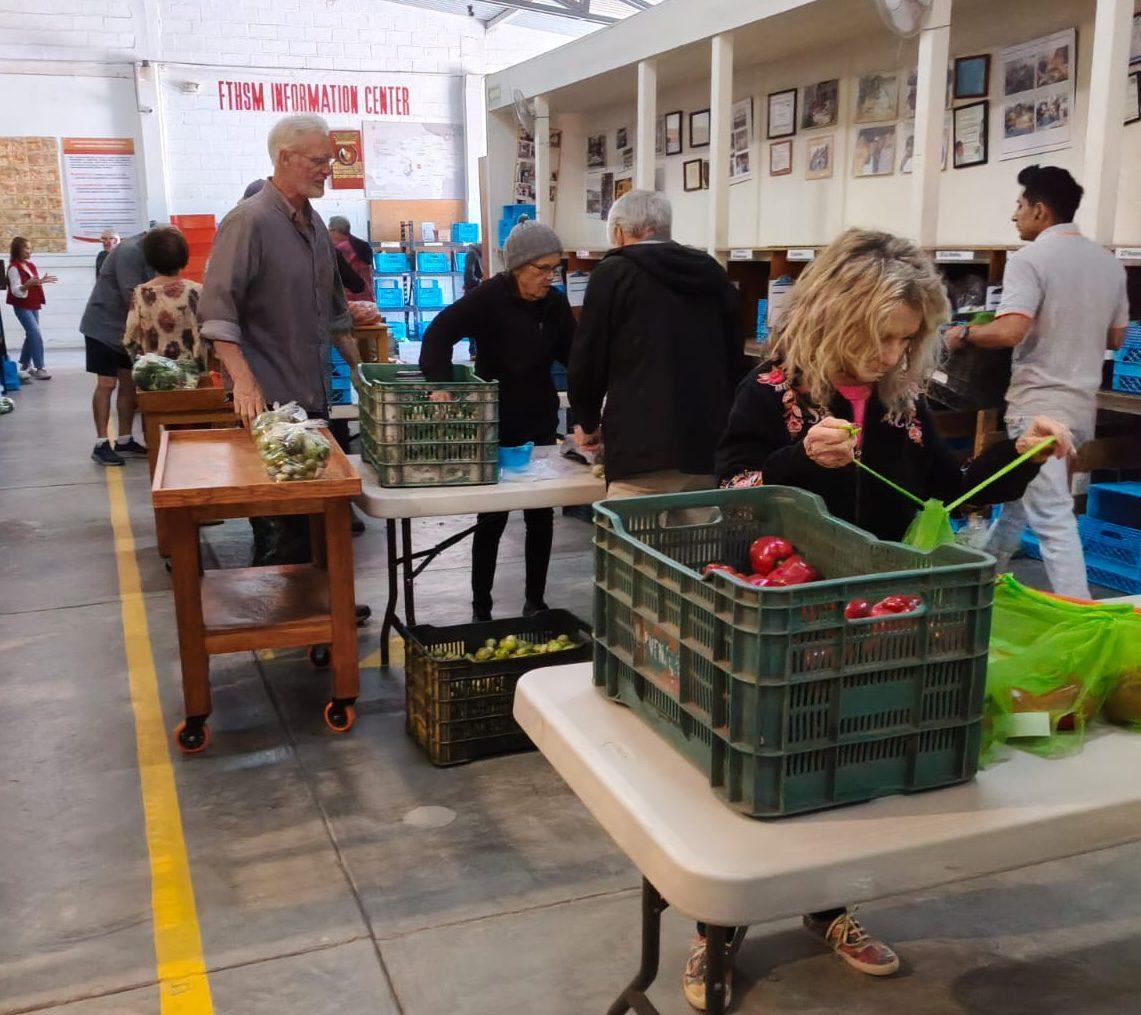
Our volunteers who pack food deliveries are also embracing these improvements. The new mesh bags are lightweight, practical, and easy to organize, making the packing process more efficient while helping reduce waste.
It is another example of how innovation often comes from listening to the people who are closest to the work.
Looking Ahead
The reusable mesh bag program is currently being tested in two communities. If the results continue to be positive, we hope to expand it to additional kitchens in the coming months.
For an organization that prepares thousands of meals every school day, even small improvements can have a meaningful impact. We believe that nourishing children, strengthening communities, and protecting the environment are deeply connected goals. By making thoughtful choices in how we operate, we can ensure that our programs remain sustainable for the long term.
Because when it comes to caring for children and the planet they will inherit, every small step matters.


 EN
EN  ES
ES